2019-2025
Thesis In Physiology/Forensic Medicine And Toxicology
Suffering A TKO


Dr. Richin Johh Koshy
INDIAN UNIVERSITIES (AMU/IPU)


1857 – Thomas Addison & William Gull (London)
First described a form of “chronic intrahepatic cholangitis”, recognizing inflammation and sclerosis of bile ducts during autopsy.
1970 – Ludwig, Wiesner, and LaRusso (Mayo Clinic, USA)
Provided the modern clinicopathologic definition of PSC as a chronic cholestatic disease of unknown etiology, distinct from secondary causes (e.g., stones, infection, surgery).


Hippocrates


~460–370 BCE – Hippocrates
The Greek physician Hippocrates described scaly skin diseases such as lopoi and leichen, which are thought to include conditions resembling psoriasis.
He recommended topical tar and arsenic—some of the earliest psoriasis treatments.
Now And Then


1841 – Ferdinand von Hebra (Vienna)
First to clearly define psoriasis as a separate disease from leprosy and eczema.
Introduced the term “psoriasis vulgaris”, establishing the foundation for modern understanding.


~400 BCE – Hippocrates
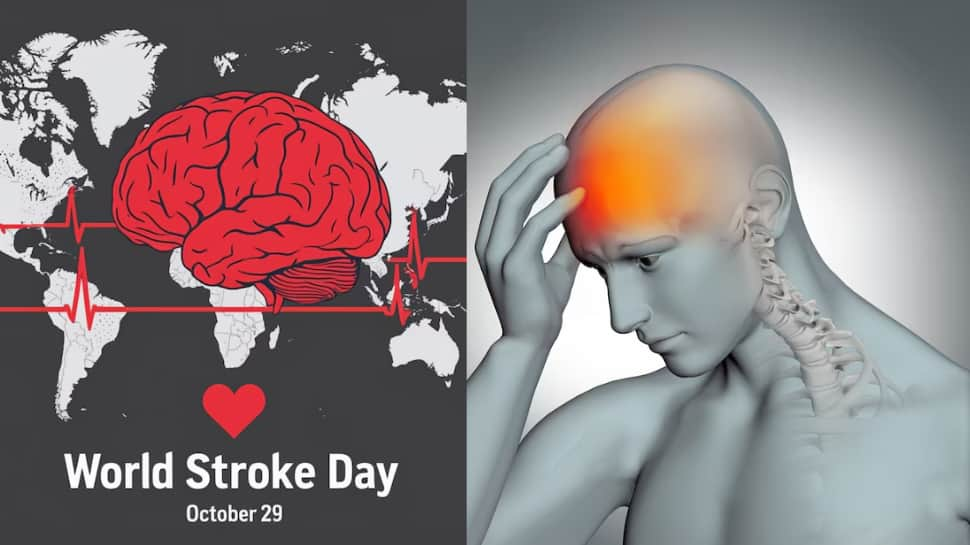
The Greek physician Hippocrates was among the first to describe stroke-like symptoms. He used the term “apoplexy” (from the Greek apoplēxia, meaning “struck down with violence”) to describe a sudden loss of consciousness and paralysis.
He recognized that the condition was abrupt and often fatal, though its internal cause remained unknown.


Current Events


The world’s first electronic message was sent on October 29, 1969, marking the birth of the Internet.
Date: October 29, 1969
Event: The first message sent over the ARPANET (Advanced Research Projects Agency Network), the precursor to the modern Internet.
Sender: Charley Kline, a student programmer at UCLA (University of California, Los Angeles).
Recipient: Bill Duvall at the Stanford Research Institute (SRI).
Message: The intended word was “LOGIN”, but the system crashed after the first two letters — only “LO” were transmitted successfully.
So, the first electronic message ever sent over a computer network was simply:
“LO”


1949 – Discovery of Succinylcholine:
Ernest H. Bovet (Switzerland/Italy) and Daniel Bovet (Italian pharmacologist, Nobel laureate 1957) and colleagues at the Institut Pasteur, France, were studying choline esters for pharmacological activity.
They synthesized succinylcholine (two acetylcholine molecules linked by a succinic acid bridge).
It was found to produce temporary muscle paralysis similar to curare but with a very short duration of action.
.jpeg)


.jpeg)

.jpeg)

